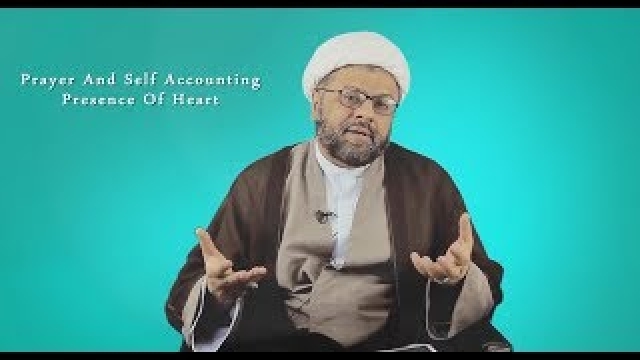
The Importance of Prayer 1/2

Bismillah Al-Rahman Al-Rahim wa bi nasta'in, wa sallalahu ala Muhammad, wa aali at-tayyibin at-tahireen, al-ma'sumeen.
One of the very important subjects about which Imam Al-Ridha, alayhi assalam, has very profound information, is the importance of salaat and the importance of prayer, the importance of the canonical prayer, the prayer that we actually perform every day five times. Imam Al-Ridha, alayhi assalam, in one hadith shows the link between prayer and every other action, and he says that prayer is so important that if prayer is rejected, then all other actions are rejected.
The Hadith is as follows. He says, "awwalu ma yuhasabu al-'abd alayhi as-salat", he is saying that the first thing about which a servant would be asked is about the prayer, "fa in sahatlahu salat saha ma siwaha", if his prayer is correct, then other actions would be correct. "Wa in ruddat, rudda ma siwaha", if salat was rejected, then other actions would also be rejected.
Now this shows that there is actually an ontological link between prayer and the other actions, and that is why it is so important for us that when we pray, we pray in such a way that we understand what we are seeing. We actually mean what we are seeing.
Actually, in one of the hadith, we are told from the Holy Prophet, sallal-lahu alayhi wa alihi, that whenever a person prays "fa innahu yunaji rabbahu", whenever he prays, he actually whispers to his Lord. The word munajat and yunaji rabbahu show the kind of intimate relationship between Allah, Subhana wa Ta'ala and the servant. And therefore there is an intimate connection.
Now, just think about this, that if a person was to intimately converse with another and he doesn't know what he's saying, would we say that there is munajat, that there is intimate conversation? Obviously, we will not say that. So we should know what we are reciting when we recite prayer. And actually it should overhaul us. If we look at the gist of this tradition, you find that actually it is to make you a monotheist. It is to be sincere, it is to bring those conditions in yourself that would make other actions to be proper.
So as the Imam beautifully puts that, he says "awwalu ma yuhasabi al-'abd", the first thing that the abd would be questioned about, now that apparently when would we be questioned? Either in the grave or on the Day of Judgment. So does it mean that in this world, for example, or other actions that proper, if our salat is not proper? No, that is not the answer to this.
The important thing is to understand that on the Day of Judgment, whatever it was the kernel of what transpired here would come to the fore on the Day of Judgment.
So let us see if your salat was not accepted here. Then on the Day of Judgment, you will come to realize that it was not accepted and because it was not accepted, other actions were also not accepted. Why are the other actions not accepted?
A person may ask, okay, a person did not praise or not properly and he was not careful. But let's say he give sadaqah properly. He gave he did other things properly. What about that? The answer to this is actually salat forms the purity and the spirit of the human being. If that spirit is made proper, then every other action would be made proper.
Inshallah, we will continue. We have another episode about this. We stop over here. Wa al-Hamdulillahi Rabbi Al-Alameen. Wa sallalahu ala Muhammad, wa aali at-tahireen.
Bismillah Al-Rahman Al-Rahim wa bihi nasta'in, wa sallalahu ala Muhammad, wa aali at-tayyibin at-tahirin, al-ma'sumin. [Col nome di Dio, il Clemente, il Misericordioso. La pace di Dio sia su di lui e sulla sua famiglia].
Uno degli argomenti più rilevanti su cui l'Imam al-Ridha, 'alayhi as-salam' [la pace di Dio sia su di lui] ci dà informazioni molto profonde è l'importanza della 'salat': la preghiera rituale, la preghiera che eseguiamo cinque volte al giorno. In un 'hadith' [narrazione] l'Imam al-Ridha, 'alayhi as-salam' [la pace di Dio sia su di lui], mostra il legame tra la preghiera e ogni altra azione, e dice che la preghiera è così importante che se la preghiera è respinta, allora tutte le altre azioni sono respinte.
L''hadith' è il seguente: "Awwalu ma yuhasabu al-'abd alayhi as-salat", la prima cosa su cui un servo sarà interrogato è la preghiera, "fa in sahatlahu salat saha ma siwaha", se la sua preghiera è corretta, allora le altre azioni saranno [considerate] corrette, "wa in ruddat, rudda ma siwaha" e se la 'salat' viene rifiutata, allora anche le altre azioni saranno rifiutate.
Ora, questo dimostra che c'è effettivamente un legame ontologico tra la preghiera e le altre azioni. Ed è per questo che è così importante che, quando preghiamo, preghiamo in modo da comprendere ciò che stiamo dicendo, da intendere veramente ciò che stiamo dicendo.
Infatti in un 'hadith' dal santo profeta, sallal-lahu alayhi wa alihi [la pace di Dio sia su di lui e sulla sua famiglia], ci viene detto che ogni volta che qualcuno prega "fa innahu yunaji rabbahu", in realtà non fa che sussurrare al suo Signore. La parola 'munajat' e 'yunaji rabbahu' mostrano la relazione intima che c'è tra Allah, Subhana wa Ta'ala e il Suo servo. C'è dunque una connessione intima.
Ora, pensate a questo: se una persona conversa intimamente con un'altra e non sa cosa sta dicendo, diremmo che c'è 'munajat'? che c'è una conversazione intima? Ovviamente non lo diremmo. Quindi dobbiamo sapere cosa stiamo recitando quando recitiamo la preghiera.
E, in realtà, essa dovrebbe andare al di là di noi stessi. Se andiamo al nocciolo di questa narrazione, troviamo che [lo scopo della preghiera] in effetti è quello di fare di te un monoteista, di renderti sincero, di creare in te le condizioni che rendono le altre azioni appropriate.
Nelle splendide parole dell'Imam: "awwalu ma yuhasabi al-'abd", è la prima cosa su cui l''abd' [servo] sarà interrogato. Ora, a quanto pare, quand'è che saremo interrogati? O nella tomba o nel giorno del giudizio. Significa dunque che in questo mondo le altre nostre azioni che non sono appropriate se la nostra salat non è corretta? No, la risposta non è questa.
L'importante è capire che nel Giorno del Giudizio, qualunque sia il nocciolo di ciò che è accaduto qui, verrà alla luce nel Giorno del Giudizio. Quindi mettiamo che la tua 'salat' non sia stata accettata in questa vita, poi, nel Giorno del Giudizio, ti accorgerai che non è stata accettata e poiché non è stata accettata anche altre azioni non sono state accettate.
Perché le altre azioni non sono accettate? Uno si potrebbe chiedere: "Va bene, una persona non ha lodato [Dio] o non lo ha lodato correttamente e non è stata attenta. Ma diciamo che abbia dato la 'sadaqah ' [elemosina raccomandata] correttamente. Ha dato l'elemosina, ha fatto altre cose correttamente... Che dire di questo?" La risposta è che in realtà la 'salat' dà forma alla purezza e allo spirito dell'essere umano: se questo spirito è reso corretto, allora ogni altra azione sarà resa corretta.
InshaAllah, continueremo in un altro episodio dedicato a questo argomento. Ci fermiamo qui. Wa al-Hamdulillahi Rabbi Al-Alamin. Wa salla Allahu ala Muhammad, wa aalih at-tahirin.