The Blessed Month Of Ramadan And Reform 4/10

Bismi-Llah, Al-Rahmani, Al-Rahim. Al-hamdulil-Lahi Rabbi al-'Alamin, wa as-salat wa as-salamu 'ala ashraf khalqi Allahi Muhammad, wa ahlih at-tahirin. When I am talking about Ramadan and reform, I am referring to the very simple ways of us being able to change certain areas in our lives for the sake of our own, betterment.
I remember a Hadith from Ahl Al-Bayt alayhum as-salam, this particular Hadith, it says that your fasting day should not be similar to your non fasting day. And that pretty much means that we need to make sure that while we are fasting, it's going to be completely in a different kind of mental mode, where I know that there are things that I need to be doing while I am fasting that I should be refraining from when I am not fasting.
Now, does this mean that you are going to, for example, maybe be more vigilant and cautious? That is something that we had already mentioned. But again, you are in the exercise mode of getting into the habit of being more aware and more conscious of your conduct and your behaviour, whether it be in the physical material realm, or whether it be in your spiritual and mental side.
And that is why when, for example, we come across the different stages of how a person is able to improve the quality of their fasting. Now this person is fasting, that person is fasting. Exactly the same thing. What's the difference between this person and that person? The difference is not in the appearance of the outside of what it is that they are doing, or else we know that if a person is refraining from those invalidators, then of course that is classified as fasting on a Shara'i level. But there is something deeper than that.
There is something more than that, where the person is fasting, they are going to be avoiding other things more than just those nine or ten or eleven invalidators. They are going to be more cautious about what they are doing. And that is why the Hadith again from Ahl Al-Bayt alayhum as-salam, what they say is they say that if you are fasting, then your "jawharih" should be fasting as well.
Your limbs should be fasting, your eyes should be fasting, your hands should be fasting, your feet should be fasting, your tongue should be fasting. Using offensive language does not invalidate your fast. However, if a person wants to increase in the quality of their fasting, they should be observant of what it is that they say. If you were to see something, for example, that is haram, then that would not according to the invalidators of fasting, that will not invalidate your fasting. However, what you want to do is you want to improve the quality of your fast, and therefore these are also going to be the things that you should do.
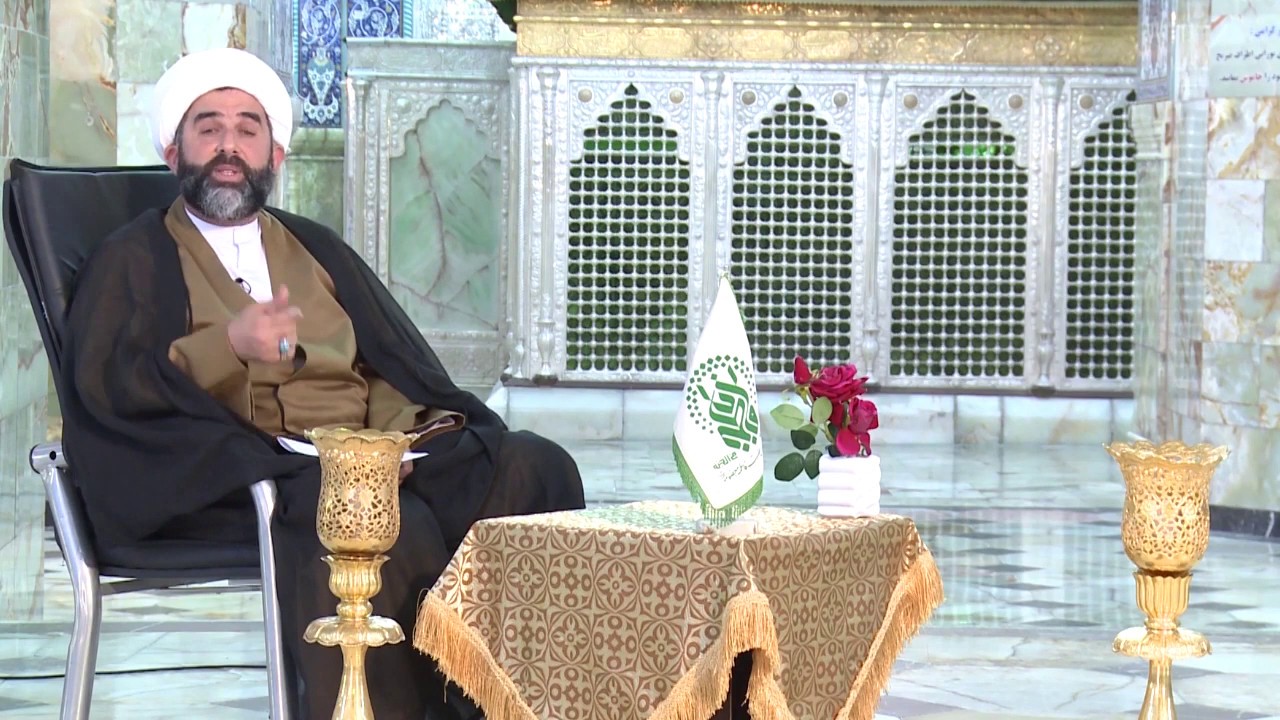
And that is why this is going to be called the fasting of the élite. Now you want to go a little bit further, there is still more for you to be able to do. You are still able to improve and increase and expand in your spiritual status. And you can enter into the Sawm, the fasting of "khawas ul-khawaz" or "khass ul-khawaz", where it is the fasting of the élites of the élites where we have Hadith that says: "al-qalb haram Allah", the heart is a sanctuary of God, like the sanctuary, the Holy sanctuary that we are in, of Sayyida Fatimah Al-Masooma, salamu Allahi alayha. "Al-qalb haram Allah", your heart is a sanctuary of God, "fa la tuskin fi harami Allah, ghayr Allah". And don't allow anything other than Allah to inhabit your heart to live in your heart. "La tuskin", don't allow anything to enter into your heart other than Allah Subhana wa Ta'ala.
And that of course, is a difficult stage, but it is something that we are able to work towards if we benefit from Ramadan and reform ourselves. Wa al-hamdulil-Lahi Rabbi al-'Alamin. Wa as-salat wa as-salam 'ala Sayyidina Muhammad, wa ahlih at-tahirin.