The Blessed Month Of Ramadan And Reform 10/10

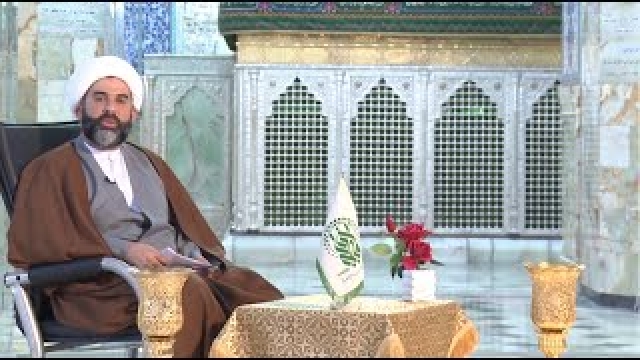
'A'udhu bi’l-Lahi, min ash-Shaytan, ar-rajim. Bismi-Llah, Al-Rahmani, Al-Rahim. Al-hamdulil-Lahi Rabbi al-‘Alamin, wa afdhal as-salawti wa 'tamu at-taslim 'ala Sayyidina wa Nabiyyina Muhammad, wa ahlih, at-tahirin. What does Ramadan and fasting represent for you? You know that you should be fasting in Ramadan. You know that Ramadan is the month in which the Holy Qur'an was brought down. You know that there are many things that you are able to benefit from, as far as the very practice of fasting is concerned, physical, material, mental, spiritual benefits. But if you were to sit down and just think about what it truly represents for you, how are you occupying your Ramadan day?
And think, what have you prioritized? What is it that you need to do? And what is it that you need to improve on? And what is it that you need to stay away from? If that is the level that we have achieved, then we truly understand what Ramadan is. Because if I have that vision of Ramadan and reform and keep that sustainability of my vision of changing myself continuously towards the best, then of course that means that I am going to become a better person. When I know that my two days shouldn't be the same, when I know that my fasting day and my non-fasting day shouldn't be the same.
When I know that Allah Subhana wa Ta'ala doesn't want from me something more than my natural instincts and what it is that I am able to achieve as a simple human being, and everything around me is accessible and I am able to do those things, then what excuse do I have?
And some of the things that I am saying in this episode is kind of a sum up of a variety of things that I've been speaking about. If you want to get to that stage of having that level of Itminan, where Allah Subhana wa Ta'ala describes that level of Itminan and tranquility and inner peace and harmony.
"Alladhina amanu" (13:28), those who believe, "wa tatma'inna qulubuhum" (13:28), and their hearts are in tranquility. Their hearts do have inner peace and harmony. "'Ala bi Dhikri Allahi tatma'innu al-qulub" (13:28). Now when we come across this particular area and when it does say:"wa tatma'in qulubuhum" (13:28), because they have faith and their hearts are at tranquility, do have harmony and peace, ultimately that is what it is that we want.
And so there is a lot that we are able to work on. When I know that Ramadan in my understanding is bettering myself, in my understanding is appreciating the blessings, in my understanding, it is not to be so obsessed about my Ifar or my Sahari or my futur or whatever it is that I want to eat, whether it be in breaking my fast or starting off my fasting day. No, my obsession isn't in showing off or having pride or doing this or having envy towards other people around me. It is something more than that. My Ramadan isn't only about socializing or about watching the latest Ramadan series. It is something more than that.
And I think that is what we need to be able to share with others. It is not a difficult equation. Ramadan and reform isn't something hard and strenuous that is only accessible for ultra high religious people. No! It's for everyone. And all of us can contribute and participate, for the sake of ourselves, in bettering ourselves and also bettering our community, inshaAllah bettering the world. Wa al-hamdulil-Lahi Rabbi al-'Alamin. Wa as-salat wa as-salamu 'ala Sayyidina Muhammad, wa ahlih at-tahirin.