Fuzto Ya Rabb il-Ka'bah
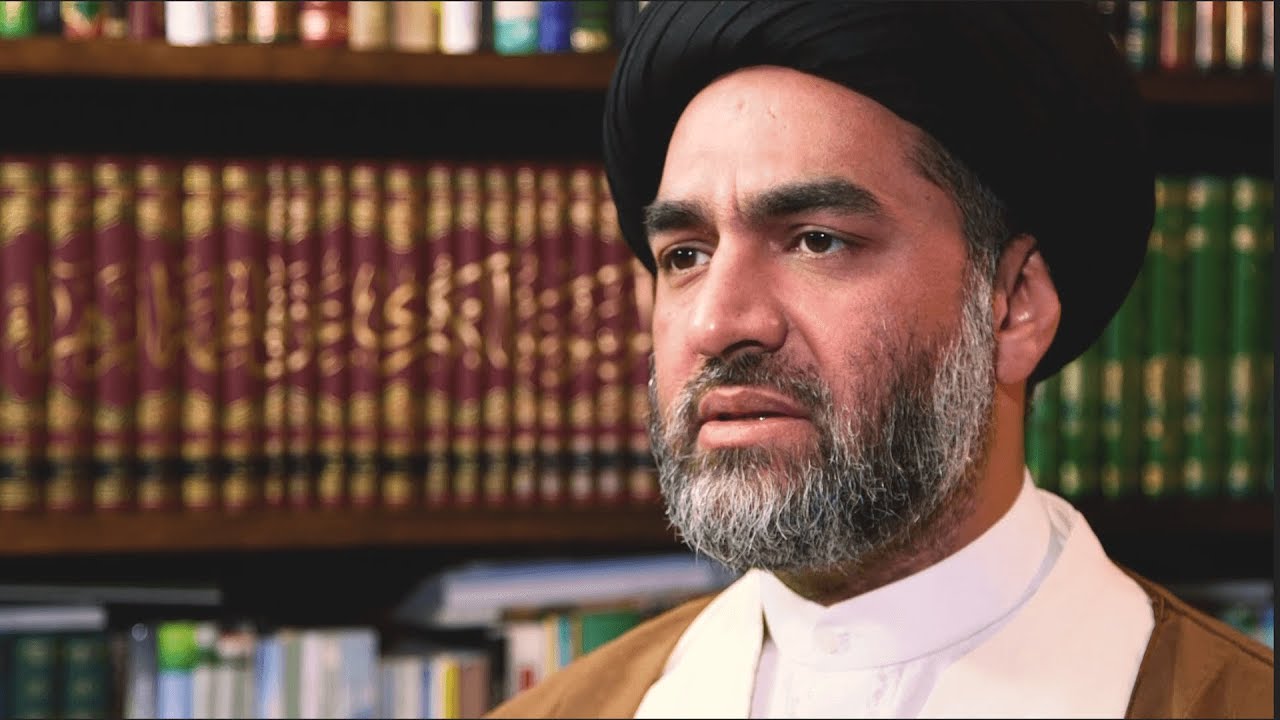
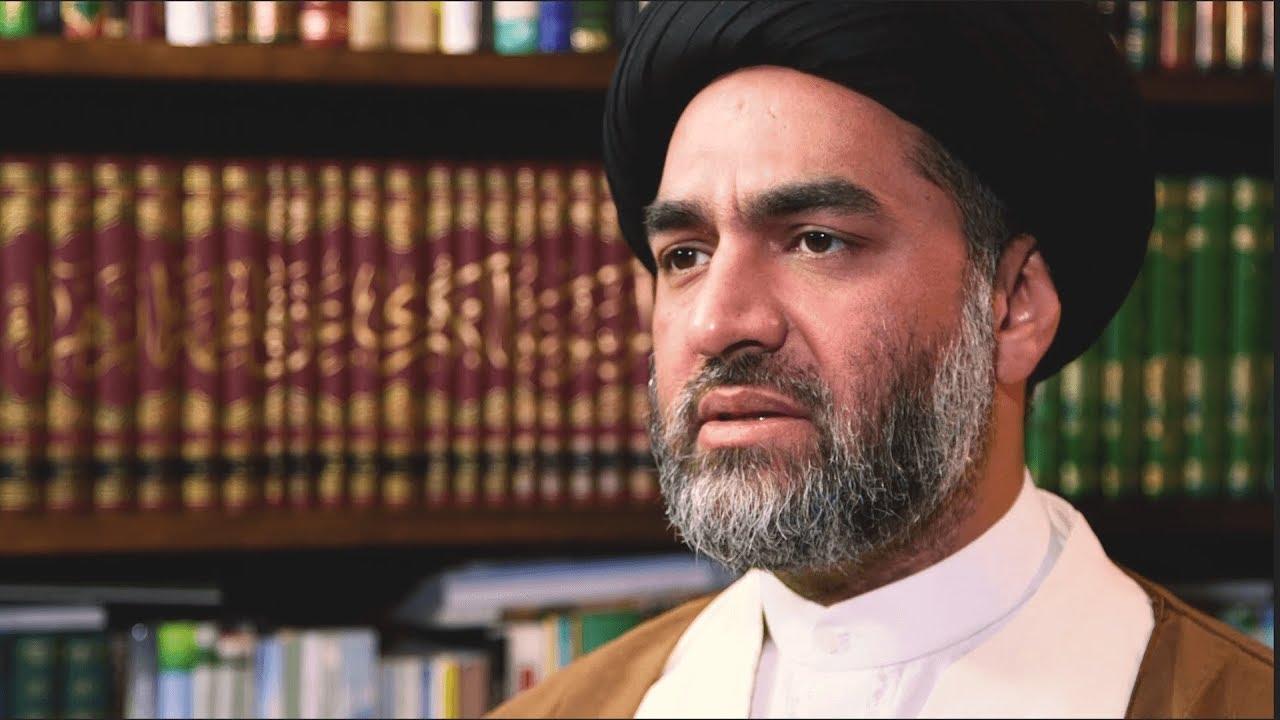
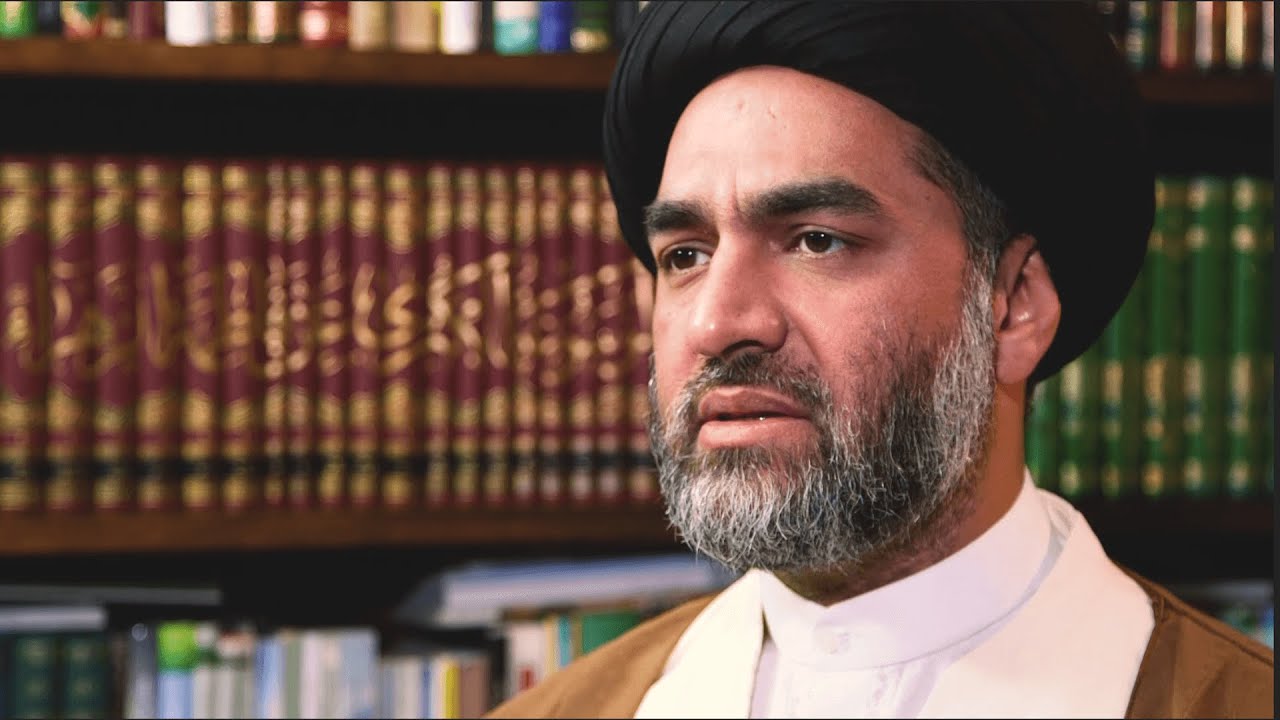
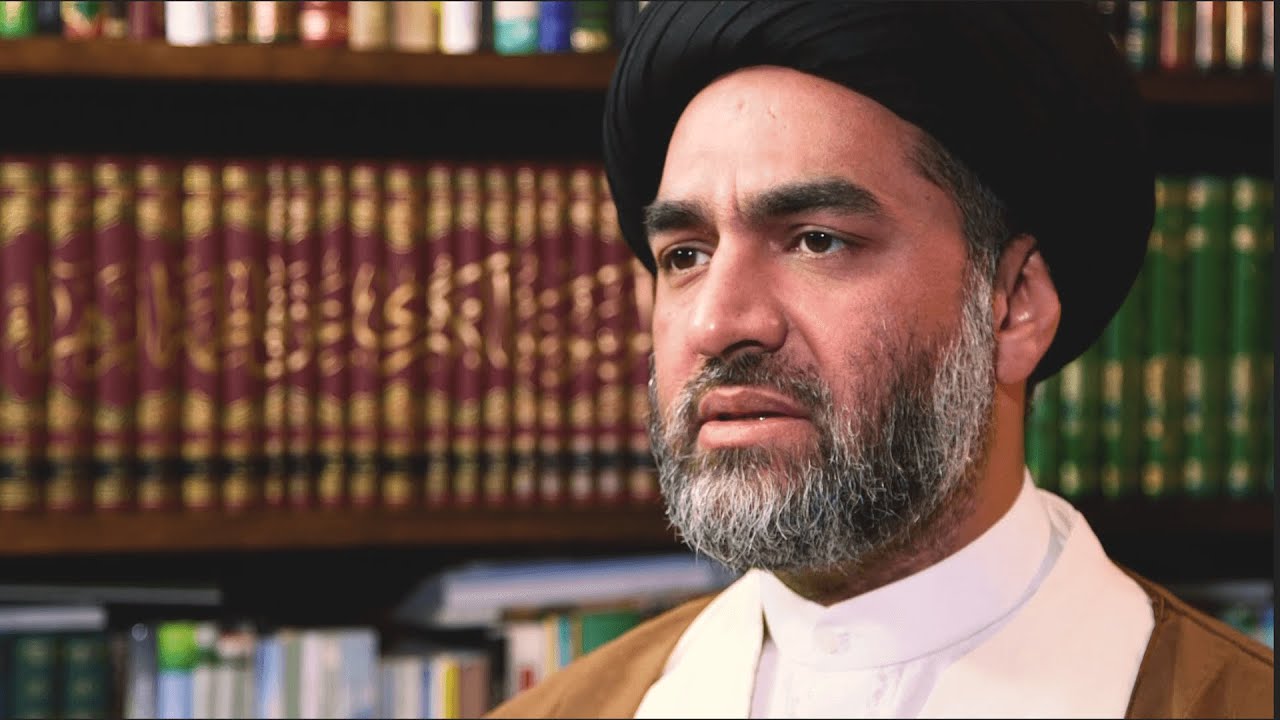
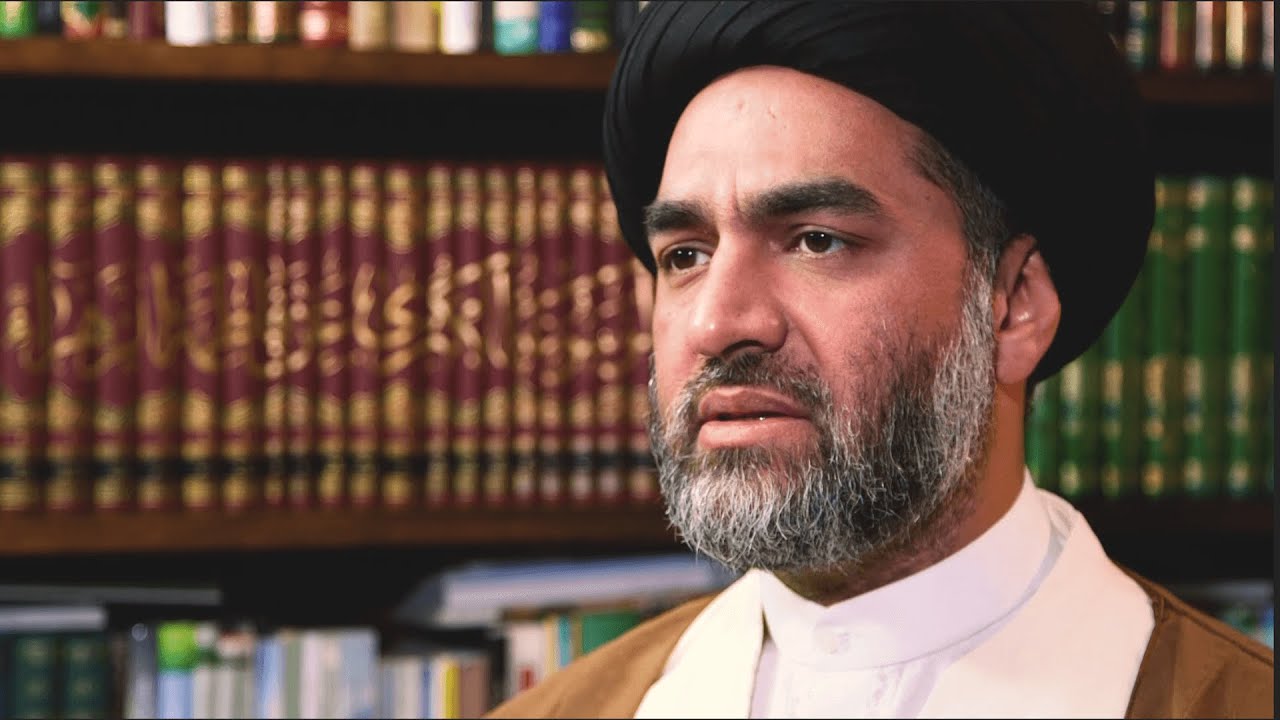
Ever wondered why Imam Ali (as) said this statement when he was struck by Ibn e Muljim (la)? Maulana Syed Ali Raza Rizvi explains this one of the beautiful statement of commander of the Faithful.

Bismillah Al-Rahman Al-Rahim. One of the most beautiful statements you will ever come across in the month of Ramadan is the words of the commander of the faithful, the Imam of the East and the West, Ali ibn Abu Talib, alayhi assalam, where he says Fuzto ya Rabbil Ka'bah. Al-Hamdulillah or by the Lord of Kab'ah, I have become successful. Fuzto, I am, I have not become but Fuzto, I am successful. There are two words, Falah and Fauz, both are success, but Falah, basically like a Fallah, a farmer, basically also grows the seeds into crops.
And that is a success by growing things, but Imam Ali, alayhi assalam, does not say that, you know, the word Aflah, qad aflahal muminoon (23:1), the Holy Qur'an says that the Mu'mineen are successful people. So it does not say that I have had the success in the meaning of Falah. But he used the word Fauz. Fauz is a different, it has different connotations, meaning it is more spiritual. Although he may not may have made financial gains in this world. He did not make dunya for himself, meaning he did not make a kingdom, and he did not leave, you know, portfolio in terms of property.
But he says, oh, but I am still successful. And that is spiritual success. And that success is not in terms of worldly terms, but it is godly terms, meaning Allah has given me success. And that success is that he has attained the highest position before Allah, Subhana wa Ta'ala and that Allah makes his name live in this world, and he has attained shahadat martyrdom. And he is also successful, meaning that whatever Allah wanted of him to be the best leader because he is not just a servant, he is a he is the greatest Imam, alayhi assalat wa assalam.
So his success is not, there is no comparison between our success and his success. So sometimes our success is materialistic. He had no materialistic ambitions. And on top of everything, his success is as a leader, as an Imam, as a successor to the Holy Prophet, wasiya Al-Mustafa Imam ul-Awaleen wa'l-Akhireen Imam ul-Muttaqeen, and in all of those top statements, he is successful. And Imam Ali., alayhi assalam, says that as the time when he was struck. Why does he say it then? Why does he not he say it before?
There is an Ayah in the Holy Qur'an Minal mu'mineena rijaalun (33:23) in Surah al-Ahzab amongst the believers, there are men who have fulfilled their promises made to Allah Subhana wa Ta'ala. Wa minhum mai yantadhir, and amongst them is one who waits. And the traditions say that the ones who fulfilled their promise to Allah are Hazrat Hamza, salamullahi alayh, and Hazrat Ja'far at-Tayyar, salamullahi alayh. Wa minhum mai yantadhir, and there is one who waits is Ali ibn Abu Talib, alayhi assalam. So he waited, Ahadu, you know, they made a covenant with Allah Subhana wa Ta'ala and they fulfill their promise that they will give their life for Islam.
And amongst them is the one who waits, and that the one who waits is Ali ibn Abu Talib, alayhi assalam. So he waited for his martyrdom and he got what he wanted. Second connotation is that his success is not just in martyrdom, but also, you know, your reality, your Haqiqah, is seen at the time of your death. So when you are dying, you actually say, you actually expose yourself. So many people are saying all sorts of things when they are dying.
But Imam Ali is, alayhi assalam, seen at the time of his death saying what he really is and he says Fuzto ya Rabbil Ka'bah (by the Lord of the Ka'bah). Why does he say By the Lord of Ka'bah? Because he came in Ka'bah when he came to this world. And when he is leaving, he says that I remind you, Fuzto, I am successful by the Lord of Kaaba that I came through Ka'bah, and now I am living this world in the Masjid al-Kufa as soon as he is struck by Abd al-Rahman ibn Muljim, la'natullahi alayh, he, alayhi assalat wa assalam, says that I have been successful.
Thank you for listening.
Bismillah Al-Rahman Al-Rahim. Eine der schönsten Aussagen, auf die Sie im Monat Ramadan stoßen werden, sind die Worte des Befehlshabers der Gläubigen, der Imam des Ostens und des Westens, Ali ibn Abu Talib alayhi assalatu wa assalam, wo er sagt: Fuzto wa Rabbil Ka'bah. Al-Hamdulillah oder bei dem Herrn der Kab'ah, ich bin erfolgreich geworden. Fuzto, ich bin, Entschuldigung. Ich bin nicht geworden, sondern Fuzto, ich bin erfolgreich. Es gibt zwei Wörter, Falah und Fauz, beide bedeuten Erfolg, aber Falah, im Grunde wie ein Fallah, ein Bauer, im Grunde auch die Samen zu Ernten wachsen lässt.
Und das ist ein Erfolg durch das Wachsen von Dingen, aber Imam Ali alayhi assalam, sagt das nicht, wissen Sie, das Wort Aflaha, qad aflahal muminoon (23:1), der Heilige Qur'an sagt, dass die Mu'mineen erfolgreiche Leute sind. Er sagt also nicht, dass ich den Erfolg im Sinne von Falah gehabt habe. Aber er verwendet das Wort Fauz. Fauz ist ein anderes, es hat eine andere Konnotation, d.h. es ist mehr spirituell.
Auch wenn er vielleicht keine finanziellen Gewinne in dieser Welt gemacht hat. Er hat keine Dunya für sich selbst gemacht, das heißt, er hat kein Königreich gemacht, und er hat kein, Sie wissen schon, Portfolio in Form von Eigentum hinterlassen.
Aber er sagt, oh, aber ich bin trotzdem erfolgreich. Und das ist spiritueller Erfolg. Und dieser Erfolg ist nicht im Sinne von weltlichen Begriffen, sondern es sind göttliche Begriffe, was bedeutet, dass Allah mir Erfolg gegeben hat. Und dieser Erfolg ist, dass er die höchste Position vor Allah, Subhana wa Ta'ala, erlangt hat und dass Allah seinen Namen in dieser Welt leben lässt, und er hat das Shahadat-Martyrium erlangt. Und er ist auch erfolgreich, was bedeutet, dass er nach Allahs Willen der beste Führer ist, denn er ist nicht nur ein Diener, sondern er ist der größte Imam, alayhi assalat wa assalam.
Sein Erfolg ist also nicht, es gibt keinen Vergleich zwischen unserem Erfolg und seinem Erfolg. Also ist unser Erfolg manchmal materialistisch. Er hatte keine materialistischen Ambitionen. Und obendrein ist sein Erfolg als Führer, als Imam, als Nachfolger des Heiligen Propheten, wasiya Al-Mustafa Imam ul-Awaleen wa'l-Akhireen Imam ul-Muttaqeen, und in all diesen Spitzenaussagen ist er erfolgreich. Und Imam Ali alayhi assalam, sagt das als die Zeit, als er getroffen wurde. Warum sagt er es dann? Warum sagt er es nicht vorher?
Es gibt eine Ayah im Heiligen Qur'an Minal mu'mineena rijaalun (33:23) in Surah al-Ahzab, unter den Gläubigen gibt es Männer, die ihre Versprechen an Allah Subhana wa Ta'ala erfüllt haben. Wa minhum mai yantadhir, und unter ihnen ist einer, der abwartet. Und die Überlieferungen sagen, dass diejenigen, die ihr Versprechen an Allah erfüllt haben, Hazrat Hamza salamullahi alayh, und Hazrat Ja'far at-Tayyar salamullahi alayh, sind. Wa minhum mai yantadhir, und es gibt einen, der wartet, ist Ali ibn Abu Talib alayhi assalam.
Also wartete er, Aahadu, wissen Sie, sie schlossen einen Bund mit Allah Subhana wa Ta'ala und sie erfüllen ihr Versprechen, dass sie ihr Leben für den Islam geben werden.
Und unter ihnen ist derjenige, der wartet, und derjenige, der wartet, ist Ali ibn Abu Talib alayhi assalam. Er wartete also auf seinen Märtyrertod und er bekam, was er wollte. Die zweite Konnotation ist, dass sein Erfolg nicht nur im Märtyrertum liegt, sondern auch, wissen Sie, ihre Realität, ihre Haqiqah, werden zum Zeitpunkt deines Todes gesehen. Wenn Sie also im Sterben liegen, sagt man tatsächlich, Sie entblößen sich tatsächlich. So viele Menschen sagen alle möglichen Dinge, wenn sie sterben.
Aber Imam Ali wird, alayhi assalam, zum Zeitpunkt seines Todes gesehen, wie er sagt, was er wirklich ist, und er sagt Fuzto wa Rabbil Ka'bah, beim Herrn der Ka'bah. Warum sagt er Bei dem Herrn der Ka'bah? Weil er in die Ka'bah kam, als er in diese Welt kam. Und wenn er geht, sagt er, dass ich dich daran erinnere, Fuzto, dass ich durch den Herrn der Ka'bah erfolgreich bin, dass ich durch die Ka'bah gekommen bin, und jetzt lebe ich in dieser Welt in der Masjid al-Kufa, sobald er von Abd al-Rahman ibn Muljim la'natullahi alayh, getroffen wird, sagt er, alayhi assalat wa assalam, dass ich erfolgreich gewesen bin.
Danke, dass Sie zugehört haben.